Access issues for basement gardens Whitechapel and gardener tips
Basement gardens can be brilliant when they're done well. They give you a private outdoor space, a cooler microclimate in summer, and a tucked-away feel that suits busy London living. But in Whitechapel, the access side of things can be the part that quietly makes or breaks the whole garden. Narrow stairwells, low headroom, shared entrances, heavy tools, damp ground, awkward corners, and "how on earth do we get that through here?" moments are all part of the job.
If you are dealing with access issues for basement gardens in Whitechapel, you are not alone. The good news is that most access problems can be managed with the right planning, the right sequence of work, and a few gardener tips that are based on real-world experience rather than theory. This guide walks through what access challenges usually look like, how professional gardeners approach them, and what you can do to make a basement garden easier to maintain, safer to work in, and much less stressful overall.
Along the way, we'll keep it practical. No fluff. Just clear advice you can use whether you are planning routine upkeep, a one-off tidy-up, or a full redesign. If you want broader context on ongoing upkeep, our garden maintenance service and landscape gardening support are useful reference points for what a well-managed outdoor space typically needs.
Table of Contents
- Why access issues matter in basement gardens
- How access planning works in practice
- Key benefits of solving access problems early
- Who this is for and when it makes sense
- Step-by-step guidance for better access
- Expert tips for better results
- Common mistakes to avoid
- Tools, resources and recommendations
- Law, compliance, standards, or best practice
- Options, methods, or comparison table
- Case study or real-world example
- Practical checklist
- Conclusion
- Frequently asked questions
Why Access issues for basement gardens Whitechapel and gardener tips Matters
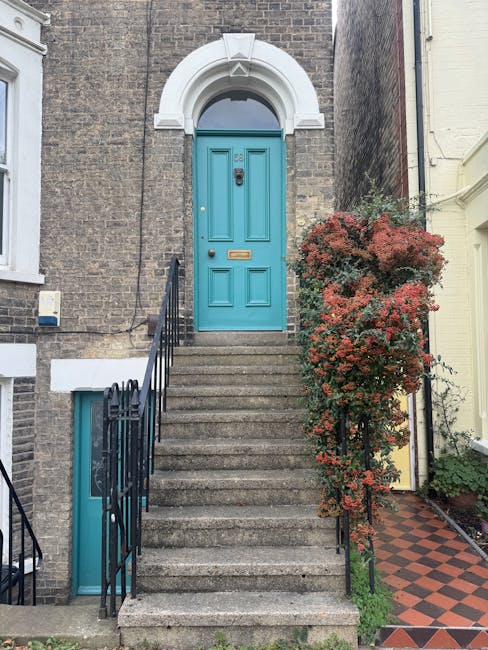
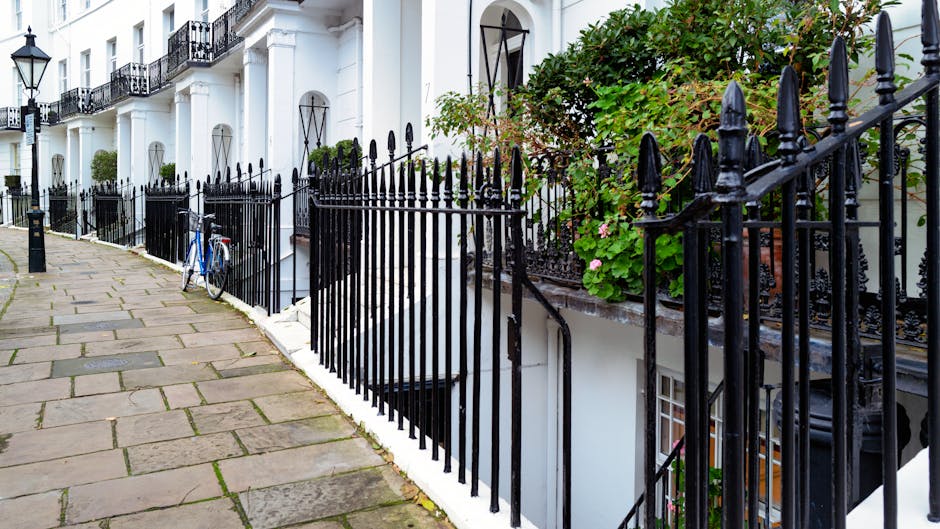
Access is not just a convenience issue. In basement gardens, it affects everything: what can be planted, how maintenance is done, how quickly waste can be removed, and whether a gardener can work safely without constantly battling the space. In Whitechapel, where properties can have tight internal layouts, shared walkways, converted basements, or steep steps down from street level, the garden is often more about logistics than looks at first.
That sounds a bit unglamorous, but it matters a lot. A basement garden with poor access can end up being underused, overgrown, or expensive to maintain because every visit takes extra time and effort. You may notice that even simple tasks like moving compost, trimming shrubs, or clearing leaves become strangely awkward. And once work starts to feel awkward, it tends to get postponed. We've all seen that happen.
Good access planning helps turn the garden from a headache into a usable space. It also protects surfaces, planting beds, and the people working in the garden. A narrow staircase with a damp landing and one heavy bag of soil is exactly where small accidents happen. Not dramatic, just annoying and avoidable.
For many homes, the answer is not to force a "normal" garden workflow into a basement setting. The answer is to adapt the workflow around the site. That means smaller loads, smarter scheduling, portable tools, and a maintenance routine that respects the layout instead of fighting it.
Expert summary: The best basement gardens are not always the most elaborate ones. They are the ones that are easy to reach, easy to maintain, and easy to keep tidy without turning every visit into a mini obstacle course.
How Access issues for basement gardens Whitechapel and gardener tips Works
Access planning starts with a simple question: how does someone, and everything they need, actually get into the space?
That includes the gardener, but also the tools, materials, plants, soil, compost, bags of waste, watering equipment, and sometimes even larger items like paving supplies or timber. In basement gardens, the route matters as much as the garden itself. A beautiful planting scheme can become frustrating if the only entry point is a narrow stair with a sharp turn halfway down.
Professionally, the process usually begins with a site walk-through. You look at the route from street to garden and ask a few practical questions:
- Is the access straight or broken up by turns and landings?
- Is there enough room to carry items safely?
- Are the steps even, dry, and well lit?
- Is there a shared entrance, and if so, what are the boundaries?
- Can waste be moved out without blocking residents or damaging walls?
- Would smaller, lighter deliveries be more sensible than bulk materials?
After that, the job is usually broken into smaller stages. For example, instead of bringing in one large delivery of compost, it may be better to use smaller bags over several visits. Instead of trying to complete a full clearance in one go, the gardener may remove waste in manageable loads. It takes a little more organisation, yes, but it often saves time overall.
In some cases, access can be improved with the garden design itself. A narrow basement courtyard may benefit from raised planters rather than heavy in-ground beds. A slippery access route may need anti-slip surfacing or better drainage. A dark stairwell may need lighting that helps both residents and contractors move safely. It's common sense, really, but it's often skipped.
Key Benefits and Practical Advantages
Solving access issues properly brings benefits that go beyond convenience. It can change how usable the garden feels day to day.
- Safer maintenance: Fewer trips, fewer awkward lifts, less chance of slipping or knocking into walls and fittings.
- Faster work: Once the route is planned, routine jobs such as pruning, mowing, or clearance take less time.
- Lower long-term effort: A garden built around its access constraints is easier to maintain month after month.
- Better plant health: Easier access means watering, feeding, and pruning are more likely to happen consistently.
- Less disruption: Shared hallways and stairwells stay tidier when waste and tools are handled properly.
- More usable design: Compact basement spaces can feel calm and intentional instead of cramped and overworked.
There is also a confidence factor. When you know the access route works, you are far more likely to keep on top of the garden. That sounds simple, but it's huge. A space that is easy to reach gets used. A space that is a nuisance gets ignored. Truth be told, that's the difference between a garden that thrives and one that slowly becomes a storage area with a few plants in it.
Who This Is For and When It Makes Sense
This topic is relevant if you are a homeowner, landlord, tenant, property manager, or simply someone responsible for a basement garden that never quite seems to stay manageable. It also makes sense if you are planning changes to the space and want to avoid the usual regret of "we should have thought about access first."
You will particularly benefit from this guidance if your garden has any of the following:
- steep steps or a tight stairwell
- shared access with neighbours or other flats
- limited natural light and damp-prone surfaces
- no direct rear access from the street
- heavy containers, planters, or paving materials
- regular waste removal needs
- a history of clutter, leaf build-up, or poor visibility
It also matters if you are booking any kind of external help. A gardener who understands basement access will plan differently from one who expects a standard front or rear garden. That difference can be the difference between a smooth job and one that drags on for hours because the equipment simply does not suit the site.
For larger overgrown spaces or a basement garden that has been neglected for a while, it may be worth starting with garden clearance before moving into ongoing care. That way, the access route itself can be made safer and more workable before regular maintenance begins.
Step-by-Step Guidance
If you want a basement garden to be genuinely manageable, work through it in a practical order. Don't start with the pretty bits first. Start with access. Always.
1. Map the route from street to garden
Look at the actual path a person will take. Note tight turns, slippery areas, low ceilings, door thresholds, and any points where carrying items becomes awkward. If you need to twist sideways just to get a bag through, that's important information.
2. Identify what needs to move in and out
Write down the regular items: tools, soil, pots, waste, watering cans, mulch, and any larger materials for future work. Then ask whether each item can reasonably be carried by hand, wheeled, split into smaller loads, or avoided altogether.
3. Simplify the maintenance routine
Basement gardens usually work best with a lighter, more frequent maintenance pattern. Short visits often beat rare, heavy interventions. A quick tidy every couple of weeks is easier than waiting until the space is full of soggy leaves and overgrown stems.
4. Choose plants and materials that suit the space
Plants with strong roots, enormous containers, or high water demand can be a poor fit if access is tricky. The same goes for oversized paving slabs or chunky decorative features. Choose things you can actually get down the steps without swearing. A little joke, but only just.
5. Build in storage and disposal logic
Where will tools live? Where will waste go before removal? If there is no good answer, the job will become cluttered fast. Compact storage solutions and regular waste removal make a basement garden feel organised instead of boxed-in.
6. Make safety checks part of every visit
Before work starts, check the stair condition, lighting, surface grip, and route clearance. Damp leaves on steps can be a nuisance at best and a slip risk at worst. If the access is poor after rainfall, it may make sense to delay certain tasks until conditions improve.
7. Review what is working
After a few visits, step back and ask: what slows us down? Is it a gate, a turning point, a waste route, or a tool choice? Small fixes often create the biggest gains. One extra shelf, one better light, one lighter bag size-little things, but they add up.
Expert Tips for Better Results
These are the kinds of tips that make a real difference in basement gardens, especially in older London properties where nothing is quite as straightforward as it looks on paper.
- Use smaller containers more often: If access is tight, break material deliveries into manageable sizes. It is slower on the day, but faster overall because you avoid bottlenecks.
- Prefer lightweight tools where possible: Compact hedge trimmers, cordless tools, and foldable hand tools can reduce strain and speed up movement through the property.
- Keep the route clear before the job begins: Shoes, bikes, bins, and random stored items have a habit of appearing exactly where you need space. Funny how that works.
- Plan waste removal before you start cutting: If you don't know how the green waste is leaving the garden, it will pile up and block access.
- Use moisture-resistant materials: Basement environments can be damper than average. Choose surfaces, storage, and finishes with that in mind.
- Work top-down for messy jobs: Clear upper planting, loose debris, and overhanging growth before dealing with lower-level tidying. It keeps the route cleaner.
- Think in maintenance cycles: In a tight-access garden, a steady routine usually beats occasional major work. That is especially true for lawn mowing, edging, and light pruning jobs.
One practical observation: gardens with difficult access often improve most when the "heavy lift" elements are reduced, not when they are constantly worked around. Less bulk, fewer awkward items, more intelligent planting. Simple, but effective.
Common Mistakes to Avoid
Most access problems become worse because of a few predictable mistakes. Avoid these and you'll save time, money, and a fair amount of frustration.
- Assuming standard garden routines will work unchanged. Basement gardens need their own rhythm. If the space is tight, a one-size-fits-all approach tends to fail.
- Ignoring waste removal until the end. This is a classic. By the time you think about waste, the route is blocked by bags, cuttings, and tools.
- Using oversized materials. Big planters or heavy slabs can be a nightmare in a basement setting. Smaller, smarter choices often look better too.
- Not checking lighting. Poor light on stairs or in a lower-level passage is a genuine safety concern, not a minor inconvenience.
- Overplanting the space. If a design creates constant pruning, clearing, and lifting, it will feel like hard work rather than a retreat.
- Forgetting to measure the route. A tool or materials order that does not fit the access route is an avoidable headache.
- Letting damp become normal. In basement gardens, moisture management is part of the job. If surfaces stay wet or mossy, access becomes risky very quickly.
And yes, people do still order things before checking whether they can get them downstairs. Happens more than you'd think.
Tools, Resources and Recommendations
You do not need a warehouse full of specialist kit to manage a basement garden well. In fact, too much equipment can make access worse. A lean, practical toolkit is usually the answer.
| Tool or resource | Why it helps | Best use in basement gardens |
|---|---|---|
| Compact hand tools | Easy to carry and store | Pruning, weeding, planting, and light tidying |
| Cordless lightweight tools | Reduce cable clutter and movement issues | Trimming and quick maintenance |
| Stackable waste bags | Make removal more manageable | Leaf clearance and cuttings collection |
| Moisture-tolerant storage boxes | Protect tools from basement damp | Tool storage and smaller materials |
| Good temporary lighting | Helps with safety and visibility | Steps, corners, and shaded access routes |
| Raised planters | Reduce bending and simplify plant access | Low-light or narrow basement spaces |
If the space has become too congested to work safely, starting with professional clearance and then moving into a maintenance plan is often the cleanest route. For some properties, a combined approach with hedge trimming, tidy-up work, and ongoing garden care saves a lot of repeat effort.
If your basement garden is part of a larger exterior layout, it may also be useful to review the full range of garden services available so the maintenance plan matches the whole property, not just one corner of it.
Law, Compliance, Standards, or Best Practice
Access work in basement gardens is usually less about obscure regulations and more about sensible good practice. That said, in the UK there are still important expectations around safety, property management, and avoiding preventable hazards.
If you are a landlord, property manager, or anyone responsible for common areas, you should think carefully about safe access, lighting, trip hazards, and keeping routes reasonably clear. In shared buildings, it is also wise to be considerate about noise, waste movement, and how tools are carried through communal areas. It's not just about getting the job done; it's about not creating problems for everyone else in the building.
Professional gardeners and contractors should also work in line with general health and safety best practice. That includes sensible lifting, stable footing, route checks, and using appropriate equipment for the space. If a route feels unsafe, it should be treated as such. No job is worth a bad fall on a basement stair.
For trust and transparency, it also helps to choose providers who are clear about their working practices. Pages such as health and safety policy, insurance and safety, and accessibility statement are useful signs that the business takes site conditions seriously. If you are comparing providers, this is worth checking.
Best practice is not fancy. It is simple, careful, repeatable work. Clear route, safe handling, realistic timing, and honest limits. That's the standard to aim for.
Options, Methods, or Comparison Table
There are usually a few ways to handle basement garden access. The right choice depends on how tight the space is, how often the garden needs maintenance, and what kind of work is being done.
| Method | Best for | Pros | Trade-offs |
|---|---|---|---|
| Small, frequent visits | Routine upkeep | Easier on access, less build-up, more consistent results | Requires regular scheduling |
| One-off intensive clearance | Overgrown or neglected spaces | Quick reset, improves route visibility | Can be physically heavier and more disruptive |
| Raised planters and simplified layout | Long-term redesign | Reduces bending and can improve access flow | May require initial investment |
| Lightweight tool approach | Tight stairwells and narrow entrances | Safer movement, easier storage, less strain | May not suit every heavy-duty task |
| Professional maintenance plan | Busy households and managed properties | Predictable, tidy, and efficient | Depends on the provider's understanding of the site |
For many Whitechapel properties, the best answer is a blended approach: a reset if needed, then a maintenance rhythm that reflects the space. Not everything has to be dramatic. Sometimes the best solution is just the one that gets done properly.
Case Study or Real-World Example
Here's a realistic example. A basement courtyard in Whitechapel had a narrow stair down from the kitchen, a small landing, and a corner that trapped leaves every autumn. The garden itself was pleasant enough, but the access route made routine care awkward. Bags of waste had to be carried carefully, tools were stored in a cramped cupboard, and the owners had stopped doing small jobs because each visit felt like effort.
The first step was not planting. It was clearing. The route was tidied, loose items were moved out of the stairwell, and the worst of the overgrowth was cut back so the access line was visible again. The work then shifted to smaller, more frequent visits rather than occasional big clearances. Lightweight tools were used for regular tidying, and the planting scheme was simplified so there was less pruning and fewer heavy containers to move.
The result was not a dramatic makeover, and that was the point. It became a garden they could actually use. Less clutter. Less damp build-up. Fewer awkward carries. It still had character, just with far less friction.
That's the thing with basement gardens: small changes can produce a surprisingly big shift in how the space feels. One better route, one clearer landing, one smarter planting choice. Suddenly, the whole garden breathes a bit easier.
Practical Checklist
Use this checklist before booking work or starting maintenance in a basement garden with awkward access.
- Measure the access route, including turns and narrow points
- Check for steps, damp areas, and poor lighting
- Identify where tools and waste will be stored temporarily
- Confirm whether materials can be carried, wheeled, or split into smaller loads
- Remove obstacles from shared or private access routes
- Choose plants and materials that suit the available space
- Plan waste removal before cutting or clearance begins
- Use lighter tools where possible
- Keep maintenance visits short and regular
- Review the route after rain, frost, or leaf fall
- Make sure safety and insurance details are clear if hiring help
- Consider whether redesigning the layout would reduce long-term access problems
Quick takeaway: if access is the weak point, design and maintenance both need to work around it. Once you accept that, the decisions get easier.
Conclusion
Access issues for basement gardens in Whitechapel are common, but they are not a dead end. With the right approach, even a narrow, low-level, slightly awkward garden can become a practical and enjoyable space. The trick is to respect the layout, not fight it. Plan the route, simplify the materials, keep maintenance realistic, and make safety part of the routine rather than an afterthought.
In our experience, the best basement gardens are the ones that feel easy to live with. They are calm, clean, and workable. No heroics required. Just sensible planning, a bit of consistency, and a gardener who understands how to work with a tight space without making a fuss.
If you are weighing up maintenance, clearance, or a smarter way to improve access, it helps to start with a clear plan and the right support. You don't need perfection. You just need a garden that works for your day-to-day life, which is honestly the whole point.
Get a free quote today and see how much you can save.
Frequently Asked Questions
What are the most common access problems in basement gardens?
The most common issues are narrow staircases, awkward turns, low headroom, poor lighting, shared entrances, and limited space for carrying waste or materials. Damp steps can make things worse too.
How do gardeners usually work around tight access?
They usually break the job into smaller stages, use lighter tools, bring materials in smaller loads, and plan waste removal carefully. A smart sequence matters more than brute force.
Is a basement garden harder to maintain than a normal garden?
Often, yes, because every task has an access step attached to it. That said, once the space is set up properly, maintenance can be very manageable. The key is keeping the design realistic.
Should I choose different plants for a basement garden?
Usually, yes. It helps to pick plants that suit shade, partial shade, and the moisture conditions of the space. It also helps to avoid overly large or heavy containers if access is tight.
Can access issues affect the cost of garden work?
They can. Tight access may increase the time needed for carrying materials, moving waste, and working safely. The exact cost depends on the site and the scale of the job.
What should I ask a gardener before booking basement garden work?
Ask whether they have worked in basement or basement-access properties before, how they handle waste removal, what tools they use, and how they plan around narrow access routes. A clear answer is a good sign.
Do I need a full clearance before regular maintenance?
Not always, but it can help if the garden is overgrown or cluttered. A clearance makes the route easier to use and gives maintenance a proper starting point.
How can I make the access route safer?
Keep it clear, dry, and well lit. Remove trip hazards, check for slippery steps, and make sure anything stored nearby is not blocking movement. Small changes matter here.
Are raised planters better for basement gardens?
They often are, especially where bending is awkward or soil movement is difficult. They can also make planting and pruning easier to manage. But they need to suit the available space.
What if the garden is shared with neighbours?
Then communication matters. Agree on access times, keep routes tidy, and avoid leaving waste or tools in communal areas. Shared access needs a little extra care, that's all.
How often should a basement garden be maintained?
It depends on the planting and use of the space, but shorter, more regular visits are usually better than rare big jobs. That rhythm helps prevent access routes from becoming blocked or messy.
Where do I start if the garden feels completely overwhelming?
Start with access and clearance, not planting. Once the route is workable again, the rest of the garden becomes much easier to judge. Small first steps are often enough to change the whole feel of the space.
If you want help turning a difficult basement garden into something calmer and easier to manage, start with a practical review of the space and the route in and out. It can make the whole job feel lighter, which is no small thing.