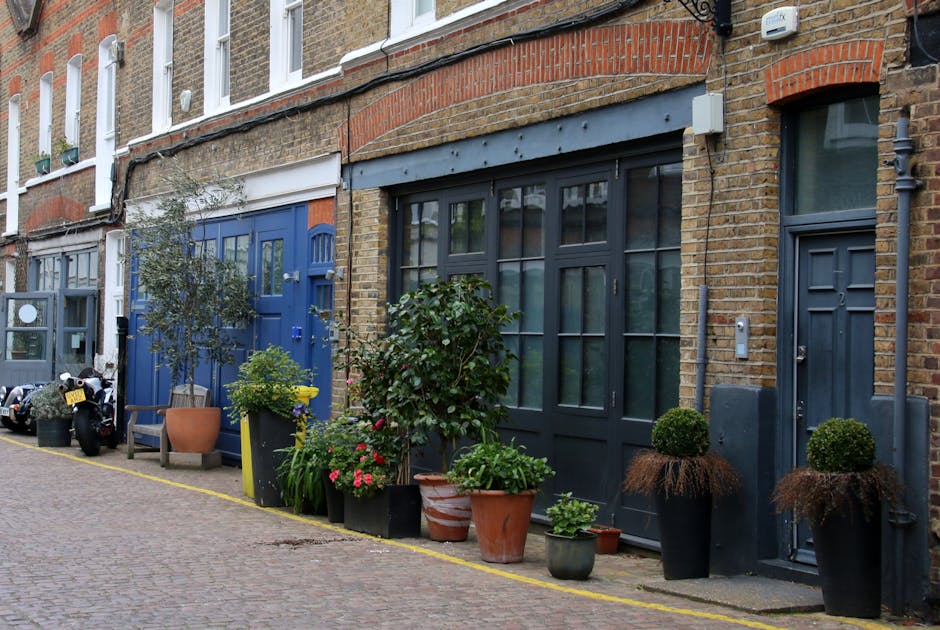
Pavement planting permits Tower Hamlets guide for gardeners
If you garden in Tower Hamlets, pavement planting can be a brilliant way to brighten a street, soften hard edges, and create a more welcoming entrance. But here's the catch: once a planter, tree pit, or border starts touching public pavement, the rules can change fast. This Pavement planting permits Tower Hamlets guide for gardeners explains the practical side of working near the highway, what usually needs permission, how to plan responsibly, and how to avoid the kind of problems that turn a simple planting idea into an awkward council conversation.
Truth be told, most people do not start with legal paperwork in mind. They start with a pot, a trowel, and a good idea. Fair enough. Yet if your planting affects a footway, visibility, access, drainage, or public safety, you need to think like a planner as well as a gardener. This guide walks you through the process in plain English, with local context, sensible checks, and enough detail to help you make confident decisions before you lift a spade.
For gardeners, landlords, community groups, and small businesses in east London, a little preparation goes a long way. The aim is not to scare you off. It is to help you plant beautifully without creating avoidable risk.
Why Pavement planting permits Tower Hamlets guide for gardeners Matters
Pavement planting is one of those ideas that looks simple from the kerb and slightly more complicated once you start thinking about pedestrians, bins, pushchairs, wheelchair access, rainwater, and the odd delivery driver squeezing past. In Tower Hamlets, that complexity matters because the pavement is not just "outside space". It is shared space, and shared space comes with duties.
Even a modest planter can become an issue if it narrows the footway, blocks sight lines, makes maintenance awkward, or creates a trip hazard. A tree pit or raised bed may also need a closer look if roots could affect the pavement later on. And if your project is near a busy high street, a school, or a narrow residential footpath, the margin for error gets smaller.
That does not mean pavement planting is off-limits. Not at all. It means the best projects are the ones designed with the street in mind. When you plan properly, planting can improve the look of an entrance, support biodiversity, and make a place feel cared for rather than neglected. In our experience, the strongest results come when the garden design and the public realm are treated as one conversation, not two separate jobs.
There is also a trust angle. Residents and businesses notice when planting looks tidy, intentional, and safe. They also notice when it feels blocked in, overgrown, or a bit improvised. Let's face it, a half-planted tub with cracked edges and muddy runoff does not say "well kept". It says "someone meant to finish this later".
How Pavement planting permits Tower Hamlets guide for gardeners Works
The exact process can vary depending on the type of planting and the location, but the basic idea is usually straightforward: if your planting affects public land, you may need permission before you install it. The key question is whether the work sits fully within private property or whether it touches the highway, footway, verge, or any public structure.
Think of the process in three layers:
- Assess the location. Is the planting entirely inside a garden, or does it reach the pavement edge, tree pit, boundary strip, or access route?
- Check the impact. Could it affect pedestrian movement, street cleaning, drainage, visibility, safety, or accessibility?
- Confirm the approval route. Depending on the arrangement, you may need a permit, consent, or a separate agreement before works begin.
That approval route is not just a box-ticking exercise. Councils and land managers usually want to know what will be planted, how it will be maintained, who is responsible if something fails, and whether the design creates a future headache. A small shrub in a container is one thing. A permanent bed fixed into the pavement is another matter entirely.
If you are already juggling wider garden work, it often helps to think about the whole site together. For example, a frontage planting plan may sit alongside regular garden maintenance or a broader landscape gardening project, especially where the boundary between private garden and public pavement is visually important. If the area has become cluttered, you may also need garden clearance before any proper planting can begin.
Key Benefits and Practical Advantages
When done properly, pavement planting can give you more than a prettier frontage. The benefits are practical as well as visual.
- Better street appeal. A neat planter or well-designed verge softens concrete and brick, which is especially welcome on busy London streets.
- More community pride. Small planting schemes often encourage neighbours to care more about shared space.
- Clearer site organisation. A permitted, well-placed feature makes the boundary between public and private land easier to understand.
- Improved biodiversity. Even modest planting can support pollinators, birds, and soil health.
- Long-term planning clarity. Knowing the permit position early can save time, disruption, and rework later.
There is another quiet benefit people overlook: maintenance becomes easier when the planting has been designed with the street in mind. A bed that can be accessed safely, watered properly, and trimmed without overreaching into the footway is far less likely to become a nuisance. In other words, the permit conversation can push you towards a better design, even if it feels inconvenient at first.
That is where professional support can be useful. A team that understands both garden design and site upkeep can help you avoid overcomplicated layouts. If your frontage planting needs trimming, shaping, or seasonal control, services such as hedge trimming and lawn mowing can keep the edge of the space looking deliberate rather than wild.
Who This Is For and When It Makes Sense
This guide is useful for a few different groups, and they do not all have the same goals.
Homeowners may want to create a nicer frontage, add colour, or soften a plain boundary wall. If the planting is near the pavement, the permit issue comes up quickly.
Landlords and property managers often need a tidy, low-risk frontage that does not create complaints, liability concerns, or maintenance surprises. A clean, permitted solution is usually better than an attractive but awkward one.
Community groups may be looking to green a street corner or improve a shared frontage. These projects can be lovely, but they need careful coordination. Who waters it in August? Who clears leaves in November? Who checks trip hazards after a storm? Good questions. Slightly boring, but essential.
Small businesses often want pavement planting for kerb appeal. A shopfront planter or a planted edge can make a place feel more open and welcoming. But if it squeezes foot traffic or makes deliveries annoying, the charm disappears fast.
It makes sense to pause and check the permit position when any of the following applies:
- the planter or bed sits on or partly over public pavement
- the design changes pedestrian flow
- the planting is fixed or semi-permanent
- you are planting near a crossing, corner, or driveway
- roots, watering, or drainage could affect the pavement surface
- the area is likely to need regular council or contractor access
Step-by-Step Guidance
If you want to approach pavement planting sensibly, work through the process in order. Rushing straight to the planting stage is how people end up redoing things later. And nobody enjoys lifting out fresh shrubs because the base layout was wrong.
1. Define the exact space
Start by checking where the planting will sit. Measure the available width, note any doors, steps, dropped kerbs, lamp columns, and pedestrian pinch points, and identify whether the edge is private, shared, or public. A tape measure and a careful look are more valuable here than guesswork.
2. Decide whether the planting is temporary or permanent
A freestanding container may be simpler than a fixed bed, but it still needs to be placed safely. Permanent works usually bring more scrutiny, especially if they alter the pavement surface or require ongoing access. Temporary is not automatically exempt, though. If it obstructs movement, it can still be a problem.
3. Check likely permissions early
Before buying materials, confirm whether the scheme needs approval. If the work is close to public pavement, you may be dealing with permit, consent, or highway-related requirements. This is the point to slow down a little and ask the practical questions: who owns the surface, who maintains it, and who is responsible if it shifts or fails?
4. Choose planting that suits the street
Pick plants that are resilient, compact, and suitable for the light levels and exposure on your street. Pavement-facing schemes are often windier and drier than sheltered back gardens. Tougher plants with tidy growth habits usually work better than anything that sprawls, sheds heavily, or needs constant fussing.
5. Build in safe access
Keep walking routes clear. Leave enough room for people with buggies, mobility aids, bags, and general human clumsiness. Honestly, the best-designed frontage planting often looks almost underdone at first glance because it leaves breathing room. That is a good sign.
6. Plan maintenance from day one
Maintenance is not an optional extra. Watering, pruning, litter pick-up, and seasonal tidy-ups should be planned before installation, not after the first leaf drop. If your scheme is part of a bigger outdoor refresh, it can make sense to combine it with landscaping or related care so the whole frontage remains coherent.
7. Keep a record
Take photos, note dimensions, keep permission documents, and store the maintenance plan somewhere obvious. If someone later asks why the planter is there, you will be glad you kept the paperwork tidy. Not glamorous, but very useful.
Expert Tips for Better Results
Here are the small things that make a pavement planting scheme work better in real life.
Use restrained planting near the pedestrian line. A lower, cleaner profile is usually safer and easier to manage than a dense wall of foliage. If the street is busy, keep sight lines open.
Think in seasons, not just at installation. Something that looks wonderful in May can feel messy by October if you have not planned for leaf fall, wind damage, or fading stems.
Choose roots and containers with care. Root behaviour matters more than people expect. If you are using tree planting or large shrubs, make sure the long-term size is realistic for the space.
Match the design to local conditions. Tower Hamlets streets can be exposed, shaded, noisy, and high-traffic all at once. That combination changes what succeeds. A plant that thrives in a sheltered courtyard may sulk beside a windy pavement. It happens.
Use maintenance access as a design rule. If you cannot reach the back of the planter without stepping into the footway, the layout may be clumsy. Better to know that before installation than after the first pruning job.
Keep finishes simple. Clean edging, stable bases, and good drainage usually matter more than fancy features. Simple rarely looks boring when it is well kept.
A small anecdotal point: the schemes people praise most are often the ones that look almost effortless. A few healthy plants, enough room, and tidy edges. That is usually enough. The trick is that it takes a bit of discipline to keep it that way.
Common Mistakes to Avoid
Most problems are avoidable if you catch them early. Here are the ones that crop up again and again.
- Assuming every planter is fine. Size, placement, and permanence all matter.
- Forgetting access needs. If a pushchair or wheelchair has to swerve, the design needs work.
- Choosing plants for appearance only. Pretty plants that fail quickly are not a win.
- Ignoring maintenance. A neglected frontage can look untidy very fast.
- Blocking drainage or creating runoff. Water should not pool at the pavement edge.
- Letting growth overhang the footway. Even a lovely planting scheme can become a nuisance if it is not trimmed back.
- Starting without checking permission. This is the classic one. Very common. Also very avoidable.
One of the more subtle mistakes is overcomplication. People sometimes try to make a frontage do too much at once: colour display, privacy screen, biodiversity patch, storage cover, and decorative statement. Sometimes less is more. Or, to be fair, less is just easier to maintain.
Tools, Resources and Recommendations
You do not need specialist kit for every pavement planting job, but the right tools make planning and upkeep much cleaner.
- Measuring tape for checking clear walking space and planter dimensions
- Spade, trowel, and hand fork for planting and root work
- Secateurs or pruning shears for light trimming
- Wheelbarrow or garden cart for moving compost, plants, and debris
- Watering can or hose access for establishment watering
- Gloves and hi-vis awareness if you are working near live foot traffic
- Simple camera or phone photos for record-keeping before and after installation
For larger or more structured jobs, it may help to bring in support from a team that already handles outdoor works and maintenance. Pages like services overview can help you understand the broader support available, while pricing and quotes is useful if you want a clearer sense of what a garden-related project might involve.
If the frontage is cluttered, overgrown, or has old material that must be shifted before planting, garden clearance and related upkeep can save a lot of faff. And if the project is tied to the overall appearance of a property, a more complete garden maintenance plan is usually the smart way to keep it under control.
Law, Compliance, Standards and Best Practice
This is the section people often skip, then regret skipping. The legal and compliance side of pavement planting is usually less about flowers and more about public safety, access, and responsibility. Exact requirements can vary by site, so always treat this as guidance rather than a substitute for checking the relevant local process.
In practical terms, the key questions are:
- Does the planting affect public highway or footway land?
- Could it create a trip hazard, visibility issue, or obstruction?
- Will roots, fixtures, or water affect the pavement over time?
- Is there a clear owner or maintainer responsible for the planting?
- Can the area still be used safely by pedestrians and contractors?
Best practice usually means following a few simple principles:
- keep routes open and obvious
- avoid unstable or top-heavy structures
- use appropriate materials that will not crumble or shift
- allow for maintenance without causing disruption
- make sure drainage and runoff are considered
- check with the responsible authority before permanent works
If your frontage project includes tree work, be cautious. Larger roots and canopies need even more care, and in some cases tree lopping and removal may be relevant if an existing tree is causing access or safety problems. Likewise, if your planting scheme sits alongside a decked area or boundary feature, any nearby structure should be checked for stability and safe edges; the same common-sense approach used in decking services applies here too.
One more thing: if work is likely to involve multiple trades, moving materials, or working near pedestrians, safety planning matters. A supplier's health and safety policy and insurance and safety approach are worth understanding before anyone starts lifting, digging, or cutting near public access.
Options, Methods, or Comparison Table
Not every pavement planting setup needs the same level of complexity. Here is a simple comparison to help you choose the right approach.
| Option | Best for | Pros | Watch outs |
|---|---|---|---|
| Freestanding planter | Small frontage improvements and temporary schemes | Flexible, easier to adjust, usually simpler to maintain | Can be moved, knocked, or stolen if poorly secured |
| Raised bed | Visible decorative planting with a stronger presence | Clear visual boundary, good for layered planting | May need more scrutiny if it affects pavement space |
| Tree pit planting | Street-level greening and long-term canopy potential | Can add strong character and shade | Roots, future size, and pavement interaction need careful planning |
| Border planting inside private boundary | Homes and businesses wanting safer low-risk planting | Usually easier from a permission point of view | Less direct street impact, so the visual effect may be softer |
If you want the easiest route, a planting scheme that stays fully within private land is usually the simplest from a compliance perspective. But if the goal is real street presence, the design has to work a little harder. That is the trade-off, really.
Case Study or Real-World Example
Here is a realistic example. A small corner property in Tower Hamlets wants to improve a bare frontage facing a narrow pavement. The owners first consider a large, decorative bed that reaches right up to the footway edge. It looks lovely on paper. In practice, it would leave very little room for pedestrians and make maintenance awkward.
Instead, they step back and redesign the space with three smaller, sturdy planters set inside the boundary line, plus low planting near the pavement-facing edge. The planting is chosen for resilience rather than drama: compact shrubs, seasonal colour, and plants that do not flop into the walking route. The result is tidier, safer, and easier to maintain.
To keep the frontage looking clean through the year, they pair the scheme with periodic lawn mowing where applicable and routine hedge trimming to stop growth spilling outward. If the site gets messy after a seasonal tidy-up, they book garden clearance before replanting. Simple, sensible, and not overdesigned.
The important lesson? The best outcome was not the flashiest one. It was the one that worked with the street, not against it.
Practical Checklist
Use this before you begin any pavement-facing planting in Tower Hamlets:
- Have I confirmed whether the planting stays on private land or touches public pavement?
- Does the design leave enough clear space for pedestrians?
- Could the planter, bed, or tree pit create a trip hazard?
- Are the plants suitable for wind, shade, and foot traffic conditions?
- Have I planned watering and seasonal maintenance?
- Do I know who is responsible for the planting over time?
- Could roots, runoff, or overgrowth affect the pavement later?
- Have I kept photos, notes, and any permission records?
- Will the finished scheme still look tidy in winter, not just in summer?
- Have I checked whether I need approval before installation?
Ticking these off early can save you a lot of stress. A calm, careful start usually makes the whole job easier.
Conclusion
Pavement planting can be one of the most rewarding small improvements a gardener makes in Tower Hamlets. It can lift a street, create a friendly frontage, and show real care for the place you live or work in. But the best results come from mixing creativity with caution: clear access, sensible planting, practical maintenance, and the right permissions where public pavement is involved.
If you take one thing from this guide, let it be this: plant beautifully, but plan responsibly. That balance is what keeps the project enjoyable rather than stressful, and it is what makes the result last. And honestly, that lasting bit is where the real satisfaction lives.
If your frontage needs help before planting begins, or if you want a broader garden plan that stays tidy all year, it may be worth exploring related support such as landscape gardening and garden maintenance. A well-kept edge makes everything else look better.
Get a free quote today and see how much you can save.
Frequently Asked Questions
Do I always need a permit for pavement planting in Tower Hamlets?
Not always. It depends on whether the planting stays entirely on private land or affects public pavement, highway land, or pedestrian access. If the scheme is close to the footway, it is sensible to check before installing anything permanent.
What counts as pavement planting rather than normal garden planting?
If the planting sits on, over, or directly impacts public footway space, it moves into pavement planting territory. A planter that narrows access or a bed built into the pavement edge is very different from a normal front garden border.
Can I put a planter outside my house without permission?
Possibly, but only if it does not obstruct pedestrians or affect public land. A freestanding planter still needs to be placed carefully. If there is any doubt, treat it as a permission question rather than an assumption.
What are the biggest safety issues with street-facing planting?
The main risks are reduced footpath width, trip hazards, poor visibility, unstable containers, and overgrowth into walking routes. Drainage and root spread can also become issues over time if the design is not thought through.
What kind of plants work best near a pavement?
Usually compact, hardy plants that can cope with wind, drying out, and occasional knocks. Plants that sprawl heavily or demand constant shaping are harder to keep neat on a street-facing site.
How do I keep pavement planting tidy through the year?
Build maintenance into the plan. That means watering, cutting back growth, removing litter, checking for movement in containers, and clearing leaves in autumn. A little regular attention prevents a lot of scrubbing later.
Is a raised bed better than a planter?
It depends on the space. Raised beds can look more permanent and structured, while planters are usually easier to move or adjust. If access is tight, a planter may be the safer and simpler option.
What should I do if roots start affecting the pavement?
Act quickly. Root issues can worsen if ignored, especially near hard surfaces. You may need professional advice about pruning, redesign, or replacing the planting approach. Do not just hope it sorts itself out.
Can pavement planting help with kerb appeal for a business?
Yes, when it is well designed. A neat planted frontage can make a shop, cafe, or office look more welcoming. The trick is to keep it safe, accessible, and easy to maintain so it still looks good on a wet Wednesday morning in February.
What records should I keep for a pavement planting scheme?
Keep photos, measurements, any permission or agreement details, a simple planting list, and a maintenance record. If questions come up later, that paperwork is often what saves time and confusion.
How do I know if my project is too complicated for a DIY approach?
If you are working near busy pedestrian routes, dealing with trees, altering pavement edges, or managing a shared frontage, it may be worth bringing in professional help. Simple jobs are fine for DIY. Complicated ones usually benefit from a second pair of eyes.
What is the best first step if I want to start this kind of project?
Measure the area, take a few photos, and decide whether any part of the scheme touches public pavement. From there, you can plan the planting style, maintenance, and any required approval with much more confidence.
Sometimes the smartest garden projects are the ones that begin with a pause. A careful look. A better plan. Then the planting itself feels easy, and the street looks better for it.