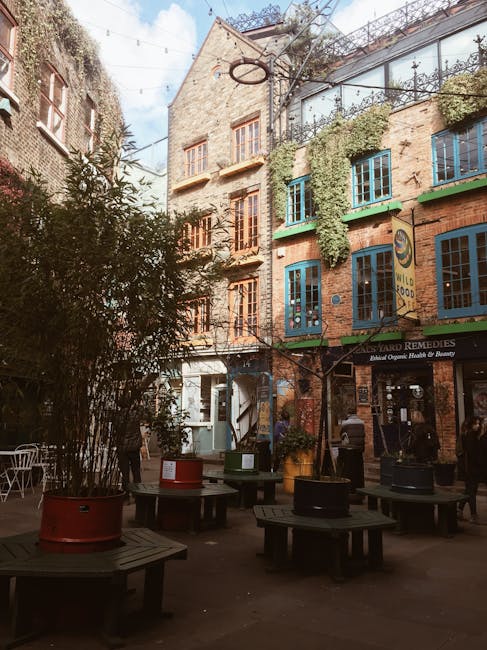
Whitechapel gardeners guide to Brick Lane courtyard care

Brick Lane courtyards are a little world of their own. One minute they're a quiet pocket of shade behind a terrace, the next they're catching full midday sun, wind, soot, and the odd bit of street dust drifting in from Whitechapel life outside. If you're looking for a Whitechapel gardeners guide to Brick Lane courtyard care, you probably already know the challenge: these spaces are compact, exposed in odd ways, and usually asked to do far more than a normal garden ever would.
That is exactly why courtyard care needs a different approach. You are not just "tidying up" a small outdoor area. You are balancing drainage, planting, access, cleaning, privacy, and long-term health in a tight space where every inch matters. Done well, a courtyard becomes calm, usable, and surprisingly resilient. Done badly, it turns into a damp corner with tired pots and a bin bag's worth of leaf litter. Not ideal, let's face it.
This guide walks through what Brick Lane courtyard care really involves, why it matters in Whitechapel, and how to keep small urban gardens looking good without making life complicated. You'll find practical steps, common mistakes, and the kind of local reality checks that help more than generic garden advice ever could.
Table of Contents
- Why Whitechapel gardeners guide to Brick Lane courtyard care Matters
- How Whitechapel gardeners guide to Brick Lane courtyard care Works
- Key Benefits and Practical Advantages
- Who This Is For and When It Makes Sense
- Step-by-Step Guidance
- Expert Tips for Better Results
- Common Mistakes to Avoid
- Tools, Resources and Recommendations
- Law, Compliance, Standards, or Best Practice
- Options, Methods, or Comparison Table
- Case Study or Real-World Example
- Practical Checklist
- Conclusion
- Frequently Asked Questions
Why Whitechapel gardeners guide to Brick Lane courtyard care Matters
Courtyard spaces in Brick Lane and the wider Whitechapel area tend to be high-use, high-contrast environments. You often get a mix of hard paving, brick walls, limited soil, narrow access, and planting that has to survive shade from surrounding buildings as well as sudden sun in summer. That combination makes maintenance more technical than it first appears.
Good courtyard care matters because small issues escalate quickly. A blocked drain can cause standing water. A neglected planter can become root-bound and dry in a single warm spell. Climbing plants that once looked elegant can suddenly start crowding windows or gutters. In other words, the scale is small, but the knock-on effects are not.
There's also the lifestyle side. Courtyards are often where residents sit with a morning coffee, store bikes, or use a small table for a bit of fresh air. If the space feels unkempt, it gets used less. If it feels tidy, safe, and green, it becomes part of daily life rather than a forgotten back area.
For landlords, housing managers, small businesses, and homeowners alike, regular courtyard care is a practical investment. It supports presentation, reduces avoidable repair work, and helps keep the space pleasant through the messier parts of London weather. A little attention goes a long way. Really, it does.
For broader service context, many readers also look at the main garden and grounds services overview to understand how courtyard care sits alongside mowing, clearance, and seasonal maintenance.
How Whitechapel gardeners guide to Brick Lane courtyard care Works
Courtyard care works best when it is treated as a layered routine rather than a one-off tidy-up. Think of it as a sequence: observe, clear, prune, refresh, and protect. That may sound straightforward, and in fairness it mostly is, but the order matters. If you prune before checking for nesting activity, or clear leaves before seeing whether drains are already holding water, you can miss the real problem.
Most Brick Lane courtyards benefit from a mixed maintenance approach. Hard surfaces need sweeping and washing. Planting needs deadheading, shaping, and feeding where appropriate. Containers need checking for drainage holes, compacted roots, and moisture levels. Vertical elements such as trellises, fences, or walls may need light training or fixing. The best results come from treating the whole courtyard as one connected space.
A useful way to think about it is this:
- Surface care keeps paving, decking, and steps safe and presentable.
- Plant care keeps foliage healthy and stops overcrowding.
- Drainage care prevents standing water, moss build-up, and damp.
- Access care makes sure pathways, gates, and doors remain usable.
- Visual balance keeps the space neat without stripping away character.
In many courtyards, the work is seasonal. Spring is for recovery and re-growth. Summer is about watering, pruning, and keeping things under control. Autumn is leaf management and prep for wetter conditions. Winter is the quieter, more structural phase: checking supports, removing damaged growth, and protecting sensitive plants.
If you are comparing service levels or planning recurring maintenance, the pricing and quotes page is a sensible place to start, especially if you want to match the work to the size and condition of the courtyard rather than guess.
Key Benefits and Practical Advantages
Courtyard care delivers more than a tidy appearance. The real value is in how the space functions day after day. That is the part people notice once they stop and think about it.
1. Better usability
Clean paving, manageable planting, and clear access make the space genuinely usable. You can step outside without dodging overgrowth or muddy patches.
2. Reduced repair risks
Leaves, moss, and blocked drainage often cause minor issues that become major ones. Regular care helps prevent slippery surfaces, water pooling, and plant-related damage to brickwork or guttering.
3. Better plant health
Small spaces magnify neglect. A plant in the wrong pot or the wrong light will struggle fast. Regular attention keeps it in the game.
4. Stronger presentation
For properties that are let, shared, or client-facing, a neat courtyard improves the feeling of the whole building. It is a small thing with a surprisingly big effect.
5. Less stress over time
Quick, routine maintenance is easier than rescue work. Nobody enjoys a Saturday spent wrestling with root-bound geraniums and two seasons' worth of leaf muck. Nobody.
There is also a sustainability angle. A well-maintained courtyard often uses less water, fewer replacements, and less waste overall. If you are interested in greener maintenance habits, the recycling and sustainability guidance is worth reading alongside this article.
Who This Is For and When It Makes Sense
This kind of courtyard care is relevant to a wide range of people in and around Whitechapel. The needs are slightly different, but the core problems are similar.
- Homeowners who want their courtyard to feel like a proper extension of the home.
- Landlords and managing agents who need a dependable standard between tenancies or inspections.
- Hospitality and retail premises where outdoor frontage or rear courtyards affect presentation.
- Shared buildings where one neglected area affects everyone else's enjoyment.
- Busy households that simply do not have time for recurring maintenance.
It makes sense to prioritise courtyard care when you notice one or more of these signs:
- Leaves and debris collect faster than you can clear them.
- Plants look leggy, weak, or overcrowded.
- Water sits after rain instead of draining away.
- The space feels dark, damp, or musty.
- You avoid using it because it feels messy or awkward.
Sometimes the trigger is simple: a property becomes more valuable to live in when the courtyard is easier to use. That is usually when people realise the space has been underperforming for years. A bit like discovering the back room of a cafe can actually be lovely if someone finally clears the clutter.
Step-by-Step Guidance
Here is a practical way to approach Brick Lane courtyard care without overcomplicating it. You can use this as a one-off reset or as the basis for regular maintenance.
1. Start with a full visual check
Walk the whole space slowly. Look up, down, and into corners. Check for cracked pots, broken edging, loose paving, weeds in joints, puddling water, and plants pressing against walls or windows. In a tight courtyard, the hidden issues are often in the edges.
2. Clear obvious debris first
Remove litter, fallen leaves, dead stems, and anything that blocks access. A stiff broom, hand rake, and bag or trug will usually do the job. If the space has a lot of fine dust or grime, a second sweep after the main clear-up makes a real difference.
3. Deal with drainage before anything decorative
Check gully covers, drains, and any low points where water gathers. If a drain is clogged, no amount of fresh planting will make the courtyard feel right. This is one of those small, boring jobs that saves you trouble later. Not glamorous, but absolutely worth it.
4. Prune with restraint
In compact urban courtyards, over-pruning can be just as unhelpful as under-pruning. Remove dead, damaged, or crossing growth first. Then shape lightly. The aim is airflow, light, and structure, not a stripped-back look unless that is the style you want.
5. Refresh containers and soil where needed
Check whether pots are still suitable for the plants they hold. If roots are circling the inside of the pot or soil has sunk below the rim, a repot or top-up may be needed. Fresh compost, mulch, or a slow-release feed can reset tired containers quickly.
6. Tidy hard surfaces and access points
Sweep paving, clear moss where safe to do so, and make sure gates, steps, and doors are unobstructed. If a courtyard is used daily, safe access matters as much as appearance.
7. Finish with a simple, repeatable routine
Once the space is back under control, decide on a rhythm: weekly light maintenance, monthly checks, and seasonal deeper work. That small system stops the courtyard slipping back into "we'll sort it later" territory.
Expert Tips for Better Results
In our experience, the best courtyard care is rarely the most dramatic. It is the care that is consistent, calm, and based on what the space actually needs rather than what looks impressive for a day or two.
Choose plants for conditions, not wishful thinking. If a courtyard is shaded by tall brick buildings for much of the day, choose plants that cope with lower light. If it catches reflected heat, pick species that tolerate drier spells. This sounds obvious, but people still buy for the picture on the label and then wonder why things sulk.
Use layers in planting. One taller plant, a mid-level structure, and lower groundcover or trailing elements can make a tiny courtyard feel fuller without cluttering it. It also helps the eye move around the space more naturally.
Keep water behaviour in mind. London courtyards often face a mix of rainfall, shade, and hard surfaces that slow evaporation. Watering a little and often is not always the answer. Sometimes the soil just needs better drainage, not more attention with a can.
Protect brickwork and finishes. Vines and climbers can look brilliant on old walls, but they need management. Check fixings, keep growth away from gutters and vents, and watch for moisture retention against masonry.
Plan for the seasons, not just the week. A courtyard that looks great in June can be miserable in November if leaf fall, drainage, and wind exposure are ignored. Real care means thinking a few months ahead.
If you are arranging ongoing maintenance, it helps to understand exactly how a provider works. The health and safety policy and insurance and safety information are useful trust pages when you want to know how risk is handled on site.
Common Mistakes to Avoid
Small courtyards are unforgiving in a funny way. If something is slightly wrong, you see it immediately. The good news is that most problems are preventable.
- Ignoring drainage. Standing water is never just cosmetic. It usually means something structural or seasonal needs attention.
- Overcrowding plants. Too many pots, too many species, too much competition. It quickly becomes hard to water, clean, or enjoy.
- Choosing high-maintenance plants for low-time owners. If you are not around much, pick reliable plants with a forgiving nature.
- Using the wrong cleaning method on paving or brick. Harsh pressure or unsuitable chemicals can damage surfaces. Gentle usually wins.
- Letting climbers run wild. Beautiful in theory, but they can become heavy, messy, and awkward if left unchecked.
- Forgetting about access. A courtyard that looks good but is annoying to walk through is only half working.
One more common mistake: treating maintenance as a rescue mission rather than a routine. Truth be told, that is where costs and frustration both creep up. A little regular care is almost always easier than one big panic clean.
Tools, Resources and Recommendations
You do not need a van full of kit to keep a Brick Lane courtyard looking decent. A compact set of good tools is usually enough, especially in tight access spaces.
| Tool or resource | Best use | Why it helps in a courtyard |
|---|---|---|
| Stiff hand broom | Daily or weekly sweeping | Works well on narrow paths and around pots |
| Hand rake | Leaf and debris removal | Useful where a full-size rake is awkward |
| Bypass secateurs | Pruning small stems and dead growth | Cleaner cuts on soft and woody growth |
| Watering can with rose | Targeted watering | Better control in containers than a hose on full blast |
| Good compost and mulch | Replanting and soil refresh | Helps maintain moisture and plant health |
| Basic drain brush or clearing tool | Light drainage maintenance | Useful for clearing leaves before blockages form |
For many people, the best resource is not more kit, but a simple maintenance plan. A note on your phone works fine. So does a paper checklist on the inside of a storage cupboard door. Whatever gets used, really.
If you need support beyond the do-it-yourself level, you can review the wider services overview to see how courtyard care might fit alongside other garden maintenance tasks.
Law, Compliance, Standards, or Best Practice
For courtyard care in Whitechapel and Brick Lane, the main compliance issues are usually practical rather than complicated. That said, it is wise to think about safety, access, waste handling, and responsibility boundaries, especially in shared or managed properties.
Safe working practices matter when tools, ladders, chemicals, or heavier lifting are involved. A responsible gardener should work in a way that reduces risk to occupants, neighbours, and property. If you are hiring help, it is sensible to ask how the work is carried out and whether relevant safety measures are in place.
Insurance and liability are also worth checking, particularly for commercial premises, landlords, and communal spaces. If any damage or accidental injury occurs, it helps to know that a provider has proper cover and a clear process. You can read more in the insurance and safety information.
Waste disposal should be handled responsibly. Green waste, bagged debris, and any recyclable material should be separated where possible. For a greener approach, see the recycling and sustainability page.
Accessibility matters too. Courtyards should not be made harder to use by poor storage, overgrown paths, or awkward barriers. For readers who want to understand the site's usability commitments, the accessibility statement is there as a useful reference.
Finally, if you ever have concerns about service quality, the complaints procedure provides a clear route for raising issues in a structured way. That kind of transparency matters. It just does.
Options, Methods, or Comparison Table
Different courtyards need different levels of attention. Some only need a light refresh, while others benefit from regular scheduled care. Here is a simple comparison to help you choose the right approach.
| Method | Best for | Pros | Limitations |
|---|---|---|---|
| One-off tidy-up | Spaces that have slipped behind | Fast reset, good for first impressions | Needs follow-up to stay effective |
| Monthly maintenance | Residential courtyards with moderate use | Keeps growth and debris under control | May still allow seasonal build-up if conditions are harsh |
| Seasonal deep care | Courtyards with mixed planting and stronger weather exposure | Addresses bigger changes in spring and autumn | Not enough on its own for heavily used areas |
| Ongoing maintenance plan | Managed properties, busy homes, hospitality settings | Best balance of consistency, presentation, and plant health | Requires routine commitment |
If you are unsure which approach fits, the easiest answer is usually this: if the courtyard is used often and visible to guests, tenants, or customers, a recurring plan tends to work better than reactive care.
Case Study or Real-World Example
Here's a realistic example from the sort of courtyard many Whitechapel and Brick Lane properties have. Picture a narrow rear space behind a terrace: one side brick wall, one side fencing, a few tired pots, some moss on the paving, and a drain that clogs every time autumn leaves blow in. Nothing dramatic. Just a space that had gradually become less inviting.
The first visit focused on clearing debris, checking the drain, cutting back overgrown stems, and removing dead annuals from containers. That alone changed the feel of the space. Light came back in. The paving looked bigger. Funny how that works.
Next came a practical replant: a couple of tougher shade-tolerant plants, fresh compost, and a more sensible layout so there was still room to walk through the courtyard without brushing past every pot. The old habit had been to add more containers whenever the space felt empty. But more pots had only made it harder to clean and water. Fewer, better-placed containers worked much better.
After that, the maintenance pattern changed too. Light sweeping each week, a quick water check during dry spells, and a monthly look at drain and growth. The result was not a show garden. It did not need to be. It became a space that stayed tidy, functional, and calm with far less effort.
That is usually the win with courtyard care. You are not aiming for perfection. You are aiming for a space that is easy to live with and pleasant to step into.
Practical Checklist
Use this checklist to keep a Brick Lane courtyard under control without overthinking it.
- Check the courtyard after heavy rain for puddles or slow drainage.
- Sweep hard surfaces before debris builds up in corners.
- Remove dead leaves, faded flowers, and weak stems.
- Inspect pots for cracks, compacted roots, or poor drainage.
- Water container plants according to weather, not habit.
- Trim climbers and shrubs before they block light or access.
- Make sure gates, paths, and doorways stay clear.
- Refresh compost or mulch when soil looks tired or dry.
- Watch for moss, algae, or slippery patches on paving.
- Review the space seasonally, especially in spring and autumn.
Quick expert summary: if you remember only three things, make them drainage, access, and plant suitability. Those three decide whether a courtyard feels like a genuine asset or just another space you have to deal with.
Get a free quote today and see how much you can save.
Conclusion
Brick Lane courtyard care is about making a small urban space work properly in a very real London setting. The best results come from simple habits carried out well: keep surfaces clear, match plants to conditions, protect drainage, and do not let maintenance slip until the space needs a full rescue.
For Whitechapel homes, landlords, and businesses, that approach brings more than neatness. It gives you a courtyard that feels usable, calmer, and easier to live with through changing seasons. And honestly, that is what most people want from these spaces. Something practical. Something that looks cared for without becoming a full-time job.
If you want to move from patchy upkeep to a reliable routine, start with the smallest changes first. The courtyard will show you quickly what it needs. Usually, it is less dramatic than you fear, and more rewarding than you expect.
Frequently Asked Questions
What makes Brick Lane courtyard care different from general garden maintenance?
Courtyard care deals with tighter spaces, harder surfaces, drainage issues, and mixed use. You are often balancing plants, paving, access, and presentation all at once, which is a bit different from caring for a larger open garden.
How often should a small Whitechapel courtyard be maintained?
That depends on use and planting, but most courtyards benefit from light weekly checks and a more thorough tidy-up at least monthly. Seasonal deep care is useful in spring and autumn, especially where leaves and damp build up quickly.
What are the biggest problems in urban courtyard gardens?
The usual troublemakers are poor drainage, limited light, soil exhaustion, overgrown planting, and debris collecting in corners. In narrow spaces, even small problems can become obvious very quickly.
Can a courtyard be low-maintenance and still look good?
Yes, absolutely. The trick is choosing plants suited to the light and exposure, using good containers, and keeping the layout simple enough that you can actually maintain it. Low-maintenance does not mean bare or boring.
Should I pressure wash paving in a courtyard?
Sometimes, but not always. A gentle clean is often safer for older brick, stone, or jointed paving. Too much pressure can damage surfaces or disturb pointing, so it is worth being cautious.
What kind of plants work best in Brick Lane courtyards?
It depends on the light levels and moisture, but hardy shade-tolerant or drought-tolerant plants often perform well in London courtyards. The most important thing is choosing for the actual conditions rather than the ideal ones.
How do I know if my courtyard needs professional help?
If drainage is poor, planting has become overgrown, surfaces are slippery, or the space is difficult to use, professional help can save time and prevent the job from spiralling. If you are not sure, that is usually a sign to ask for advice.
Is courtyard care suitable for rental properties?
Yes. In fact, it can be especially useful for rental properties because a tidy courtyard improves presentation and reduces complaints about access, damp smells, or messy shared areas.
What should I ask before hiring a gardener for courtyard work?
Ask how they handle safety, waste removal, insurance, access, and recurring maintenance. It also helps to ask whether they can tailor the work to a small urban space rather than approaching it like a standard garden.
How can I make a small courtyard feel bigger?
Keep pathways clear, avoid overcrowding, use vertical planting carefully, and choose a small number of well-placed focal points rather than many little distractions. Light and space matter more than extra objects.
Does seasonal weather in London affect courtyard maintenance?
Very much so. Wet autumns can cause leaf build-up and slippery surfaces, while warmer spells can dry out containers faster than people expect. A courtyard that looks fine in one season may need a different routine in the next.
Where can I find more information about service terms and support?
If you want to understand the service framework more fully, the site's pages on payment and security, complaints handling, and accessibility can help set clear expectations before you book or enquire.